
Taiki, Our Fujinomiya Expert
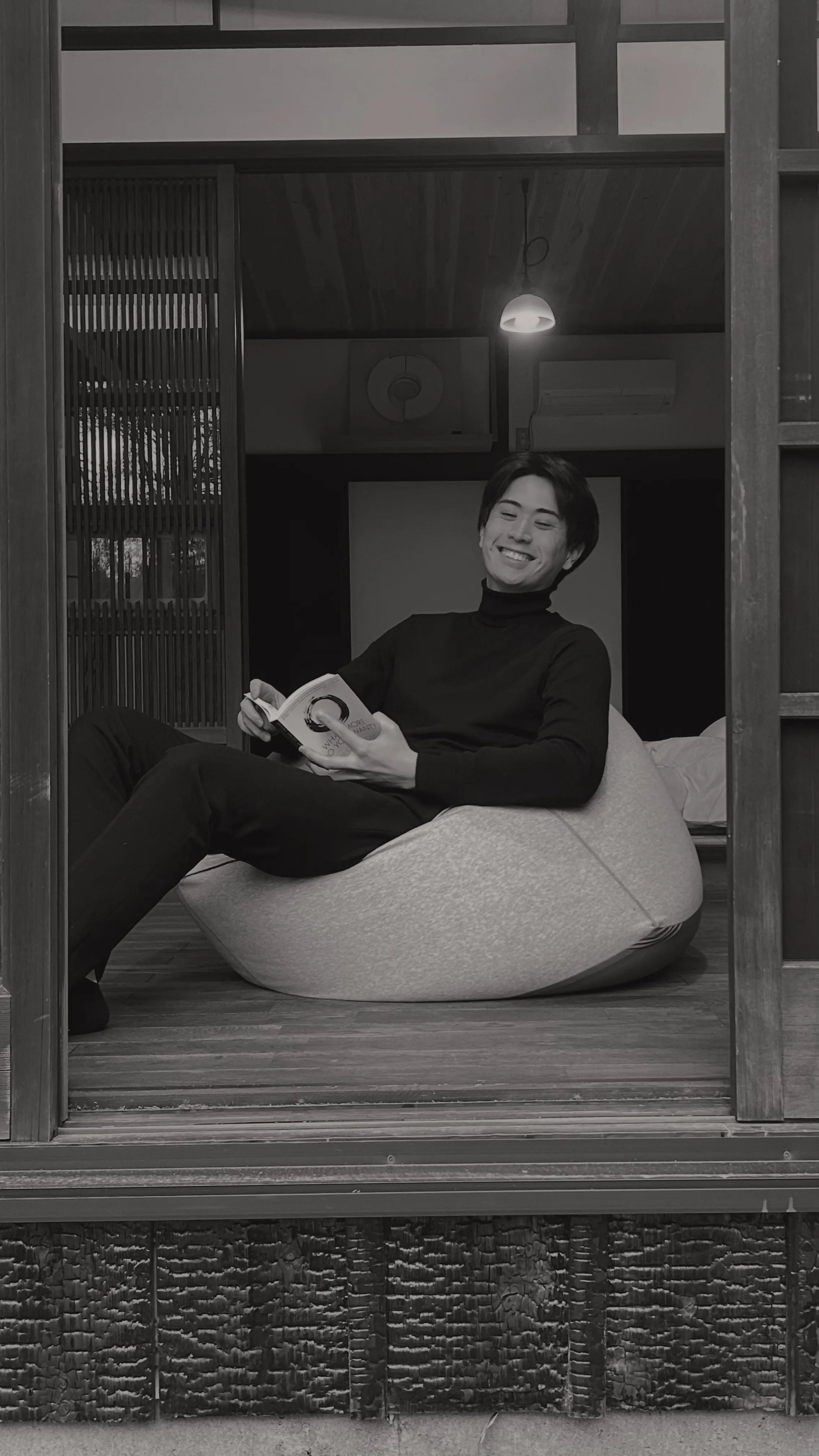
Taiki is one of our eXperience Officers on site at SLEEEP Fuji. When I first met him, he shared how he applied for the job with us because he was passionate about the area; he wanted to help other people to see how amazing Fujinomiya is. It’s no wonder that he now holds a position as our local EXP.expert for the Fujinomiya area.
Having grown up locally, Taiki knows the city and its people like the back of his hand. He’s seen how its changed over the years, and he’s chosen to stay in the area due to his love for it.
Fujinomiya and Its People
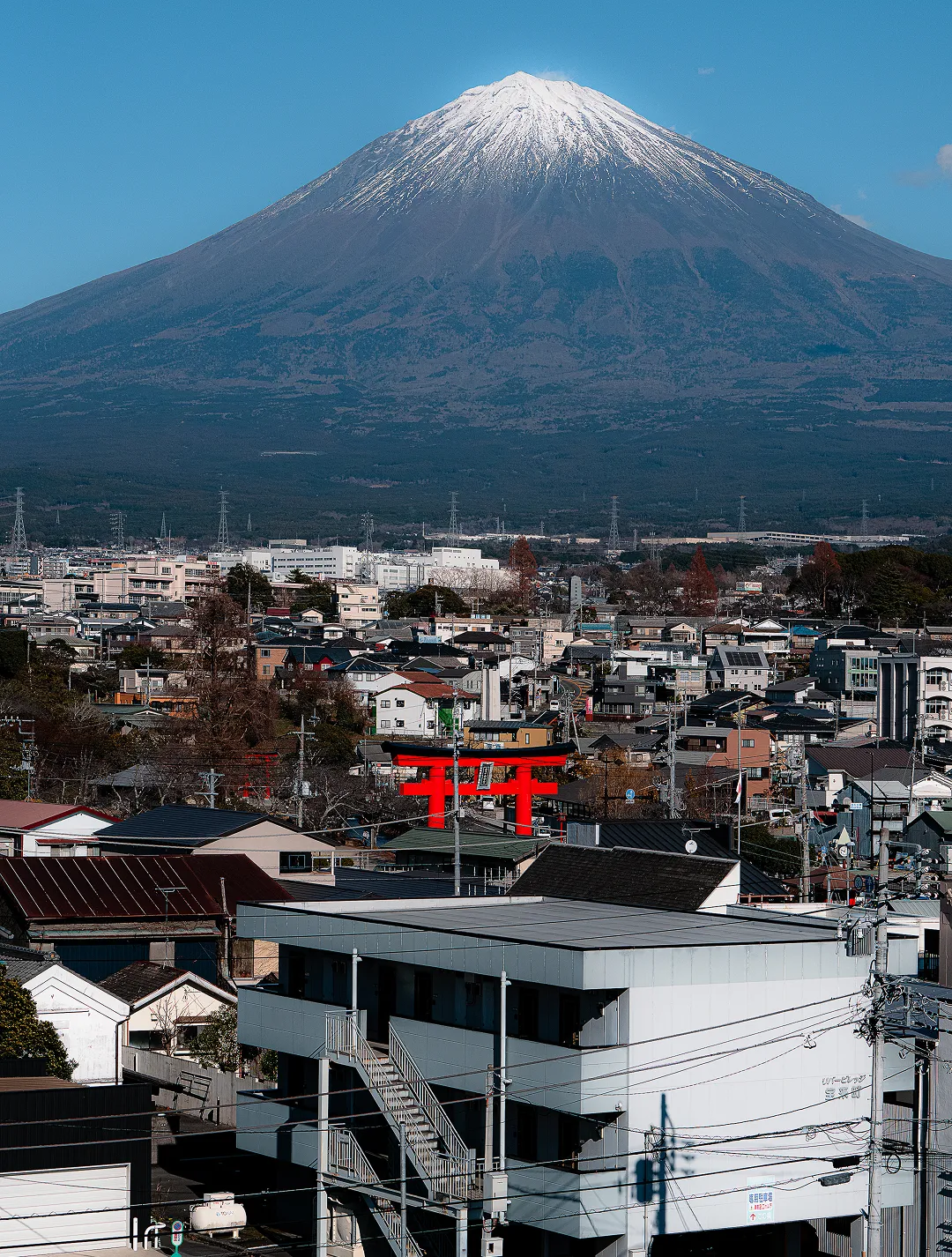
A City steeped in history, Fujinomiya is a historic pilgrimage route for both Buddhists and Shinto practitioners alike. It has served as a point of rest for thousands of years, originally for the pious on their quest to pay respects, and now for travellers looking to get a taste of the city’s unique flavour (and I’m not just talking about the yakisoba). The view from this highland plateau is one of its most attractive features, according to Taiki;
"In Fujinomiya, there are no other mountains standing in front of Mount Fuji. You can see it clearly because there are no obstacles in the way. That is what makes it so different from other cities in Shizuoka.”
Fujinomiya’s literal translation means “Shrine of Mt. Fuji”. Despite the fact that it is a deeply spiritual location, the name is a double entendre for the view of Fuji-san you get from the city’s various viewpoints. Unlike neighbouring, and somewhat more industrial Fuji City, Fujinomiya offers a peaceful, slow paced feeling - but one that has a sense of energy about it, because of its constant flow of travellers.
.webp)
The people in Japan’s different cities are (for better or for worse) often known for a single, trademark trait. Osaka ‘bang’ is known worldwide, people in Kyoto have a reputation for being indirect, Okinawa’s for their “nankuru-naisaru’ (whatever comes, comes) attitude, and so on and so forth… So I asked Taiki what he’d like Fujinomiyans to be known for, before the rumours start to spread. His answer made perfect sense in the context of the history steeped city:
"Whenever someone is in trouble, the whole community really steps up to help. People in Fujinomiya are more open-minded than in other rural areas because the town has been a famous destination for a very long time.”
The pilgrim spirit has ingrained itself into the very DNA of Fujinomiya. Hundreds, if not thousands of years of accepting outsiders has made an environment where locals exude warmth to outsiders, regardless of if they are a domestic or international tourist.
Having visited, though only brief, I can say that I felt this warmth firsthand.
Spirituality in Fujinomiya
As I mentioned before, Fujinomiya is a city historically known as an outpost for Mt. Fuji bound pilgrims, and its name alludes to this.
However, Fujinomiya is also home to Fujisan Hongu Sengen Taisha, the highest ranking shrine in a collection of those dedicated to the deified mountain.
Taiki described the temple complex with an enthusiastic reverence:
"It's the highest-ranking shrine among all those dedicated to the mountain. Since it enshrines Fuji, you can really feel a powerful energy there. Offering a prayer might just give your luck a serious boost.”
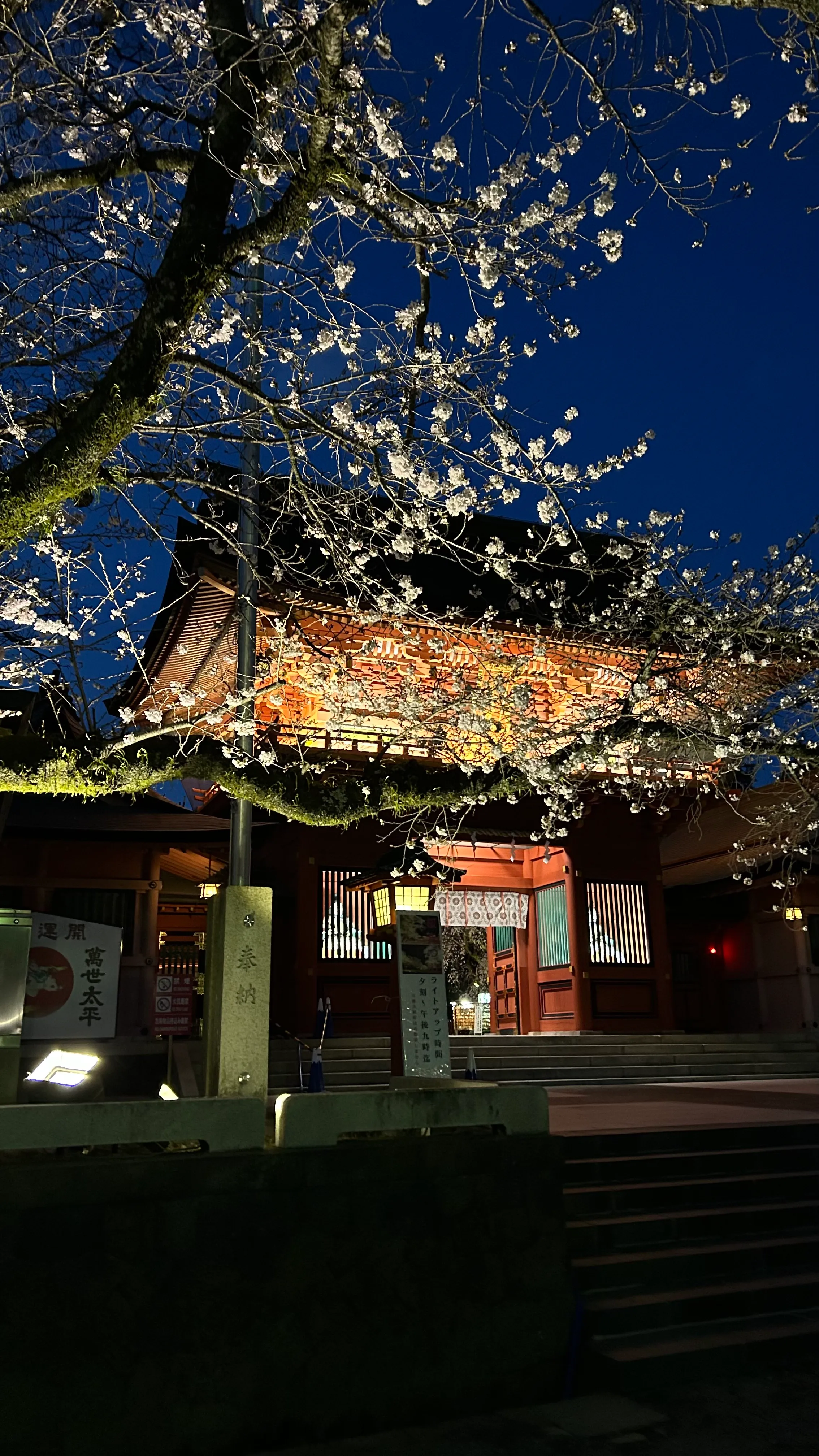
One of Japan’s largest Torii gates resides here, in the spiritual heart of the city. It observes the mountain in the distance, amplifying the power that Taiki mentioned. When walking the temple grounds you feel the spiritual pressure of centuries of devotion, and the accumulated energy of the countless pilgrims who trod the same earth before you. All on a journey to pay their respects to Fuji-san.
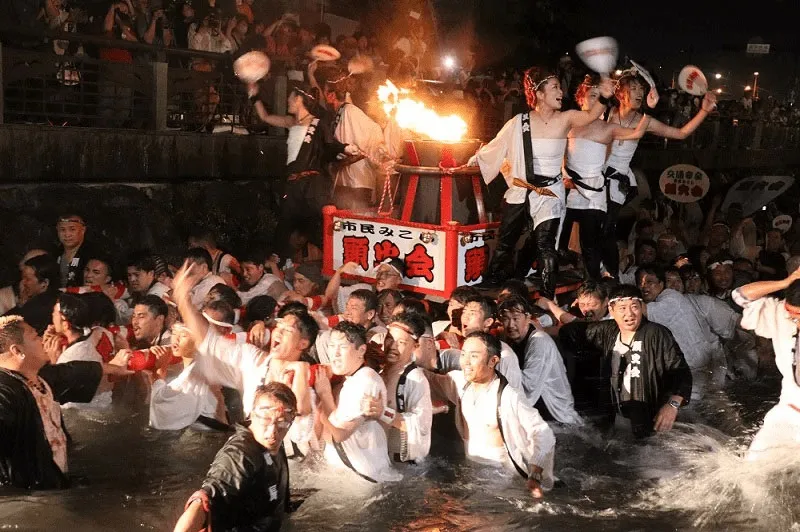
Throughout the year, the city puts on matsuri, or festivals for various reasons. The largest of these is the summer festival. Taiki recollected the years of festivals he’d attended, speaking of how sometimes sleepy Fujinomiya springs into life:
"The most exciting festival happens in the summer. The people carrying the Mikoshi eventually dive into the river next to the shrine to purify themselves in the mountain water. When I was a kid, I was even got to carry it!”
Hundreds of revellers gather around the Kanda river, that runs through Fujisan Hongu Senshen Taisha’s temple complex, watching as the Mikoshi are carried by Fujinomiya’s residents through the river. The Kanda river is sourced at Mt. Fuji, making its waters extra important.
The river is not just a fixture of the city’s festivals, it is also a part of everyday life for the local community. Recalling his youth Taiki told me:
"In the summer, I always went to the river to play with my friends. The water flows directly from Mount Fuji, so it's incredibly clean and freezing cold, even in the middle of summer. It feels amazing in the heat.”
The water that flows from the mountain is the lifeblood of the city. Children and adults alike incorporate it into their lifestyles for leisure, spirituality and more. It is a fixture within the local community that is rooted in the natural gifts of the land.
Fujinomiya’s Relationship With The Water
People’s relationships with the water often differed, as I mentioned before. The young play in the river, festival revellers carry Miyoshi through its purifying waters, but how are young adults engaging with the river?
Taiki’s experience follows a wider trend across Japan for people in his age group; a move away from traditional onsen bathing and towards a sauna & cold plunge practice.
Though different, this process isn’t new. It is part of a pursuit of a state called totonou - something you can learn more about at EXP._Co-Onsen. Once again, the waters of Mt. Fuji are centric to this entire experience:
"They use natural Mount Fuji spring water for the cold bath, which is a total game changer. I feel so refreshed after taking a sauna and diving into that water; it's a feeling you just can't replicate.”
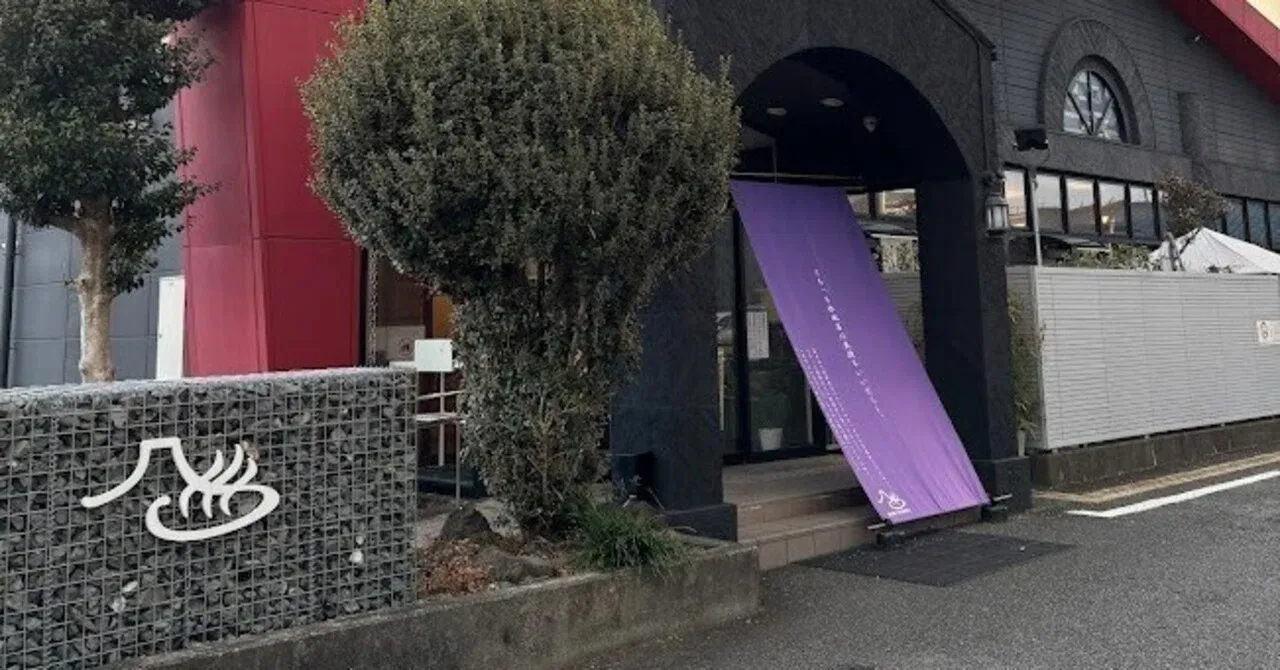
Taiki’s favourite spot is a place called ‘Fujisan Natural Water Spa, Sauna Taka no Yu’, which has been especially popular with young Nihonjin from the Fuji area.
The Many, Many Breweries of Fujinomiya
Where there is water, there is almost always wine. In this case, rice wine.
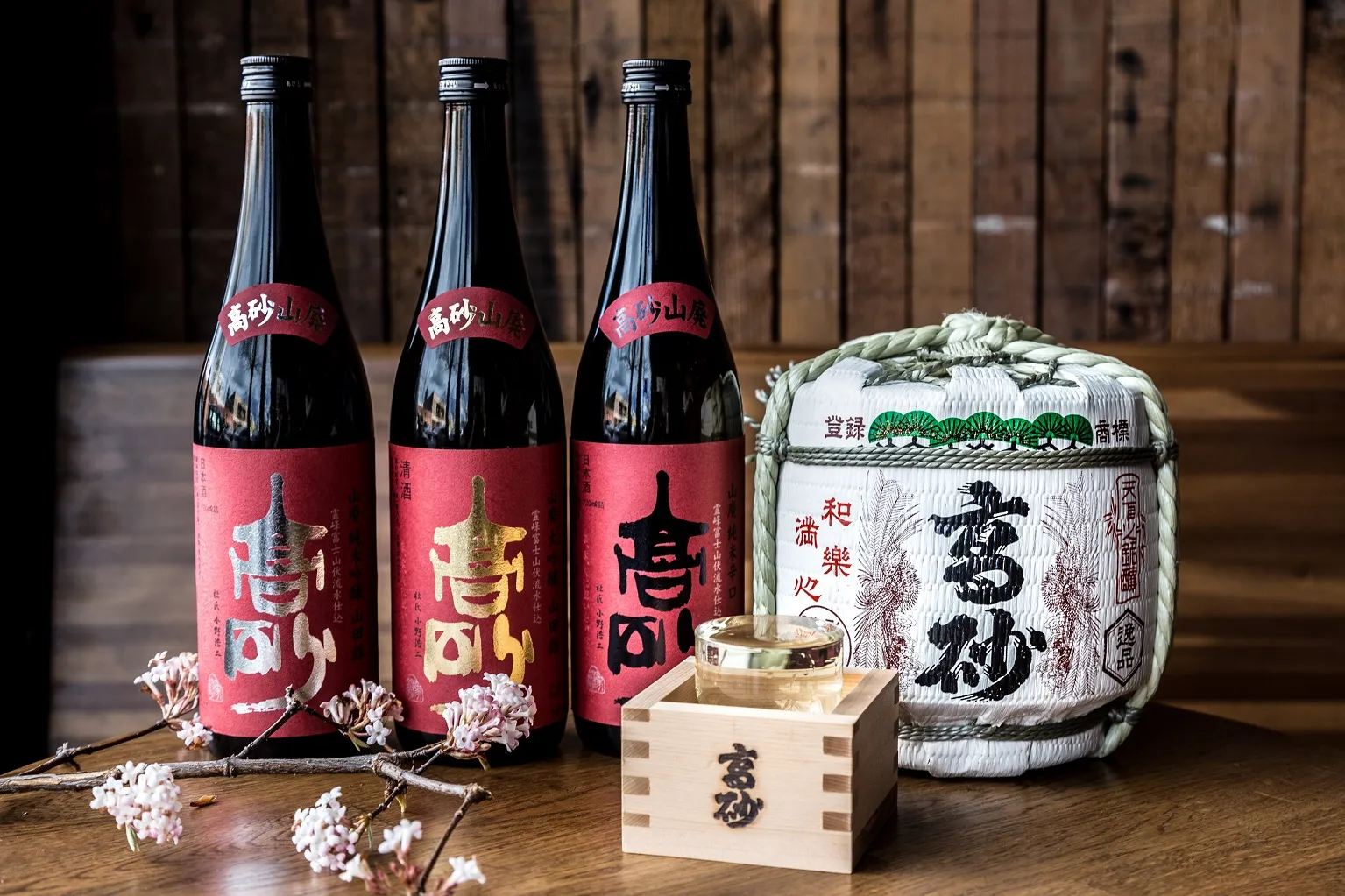
With the rich agricultural background of Shizuoka prefecture, breweries in Fujinomiya combine high quality rice, with the waters of Mt. Fuji to produce premium Ginjo and Daigino brews, rare Yamahai sake, as well as regional speciality creations.
"Fuji Takasago Shuzo brews their sake using Mount Fuji spring water. Twice a year, they hold an opening ceremony where the entire city basically gets drunk together.”
Fuji Takasago is probably the regions most well known brewery, and events like this make it easy to see why. They host these parties twice a year for when their first sake of the year is ready to drink. And when a whole city is waiting for the opportunity to visit and drink together, you can’t help but think about how good it must be.
There are also more breweries that specialise in different styles of sake:
Fuji Takasago: Takasago Yamahai - an award winning umami, yet slightly sweet sake
Fujinishiki: Junmai Daiginjo - they use local yeast and Homarefuji rice to brew their wine
Makino: Junmai Ginjo - a lighter, fruitier profiled sake
Fujimasa: Craft sakes, made on the Asagiri Plateau (right next to Mt. Fuji)
And for those that don’t drink, most of these breweries will also produce an Amazake. This is a non alcoholic sweet rice based drink.
Also, don't miss out on the beer breweries and traditional wineries either!
And to eat, Sir?
Now, let's talk about what you're really here for: the food. Fujinomiya is famous for its yakisoba, but not all yakisoba is created equal. If you want the real deal, Taiki has one name for you: Nijiya Mimi.
"I asked the master for his secret recipe, but he refused to tell me! He took the shop over from his father. It's a tiny place and not very flashy, so I didn't even notice it when I was in high school. I think only the locals know about it. There's no English menu."
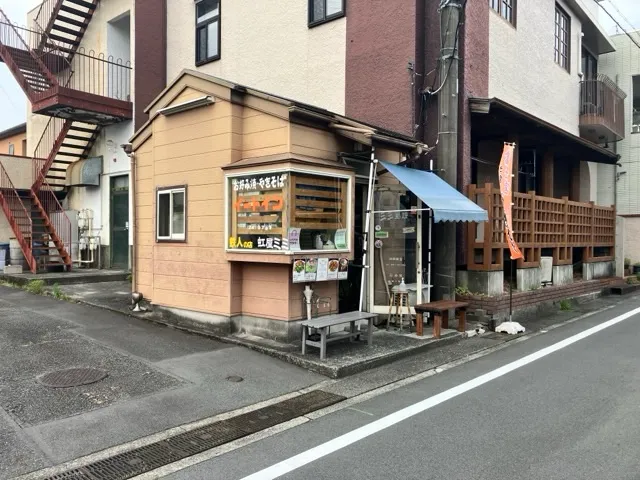
According to Taiki, this is the undisputed best spot for Fujinomiya's famous yakisoba. Someone on Tabelog said it also won a Grand Prix for Yakisoba. Not sure exactly what that means, but sounds good to me.
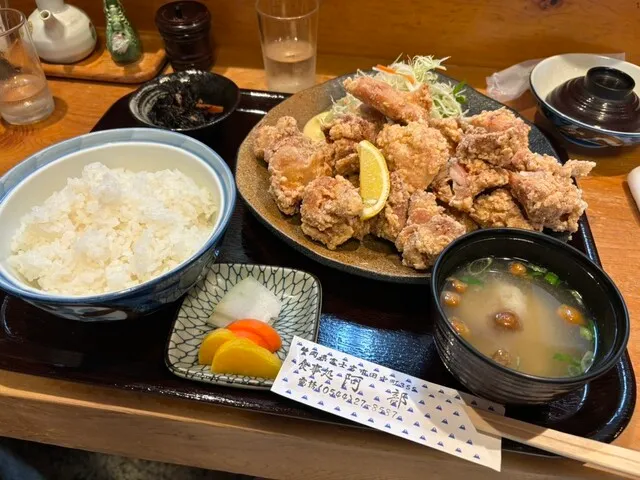
If yakisoba doesn't fill you up, Taiki has another recommendation that's been his go-to since high school: Teishokuya Abe.
"I've been going there since I was in high school. The portions are huge. I once recommended it to an Italian guest; he loved it so much he went back three times during his stay. It's a basic Japanese menu with stuff like Karaage, Katsudon, and grilled fish.”
A Teishokuya, translates as ‘set-meal restaurant’, is the quintessential Japanese comfort food restaurant. They are a staple of Japanese every day life, with high quality but simple dishes as described above. Considering that people usually only stay at SLEEEP Fuji for a few nights, choosing to have 3 of your meals there is a pretty convincing indictment of how tasty the cuisine is.
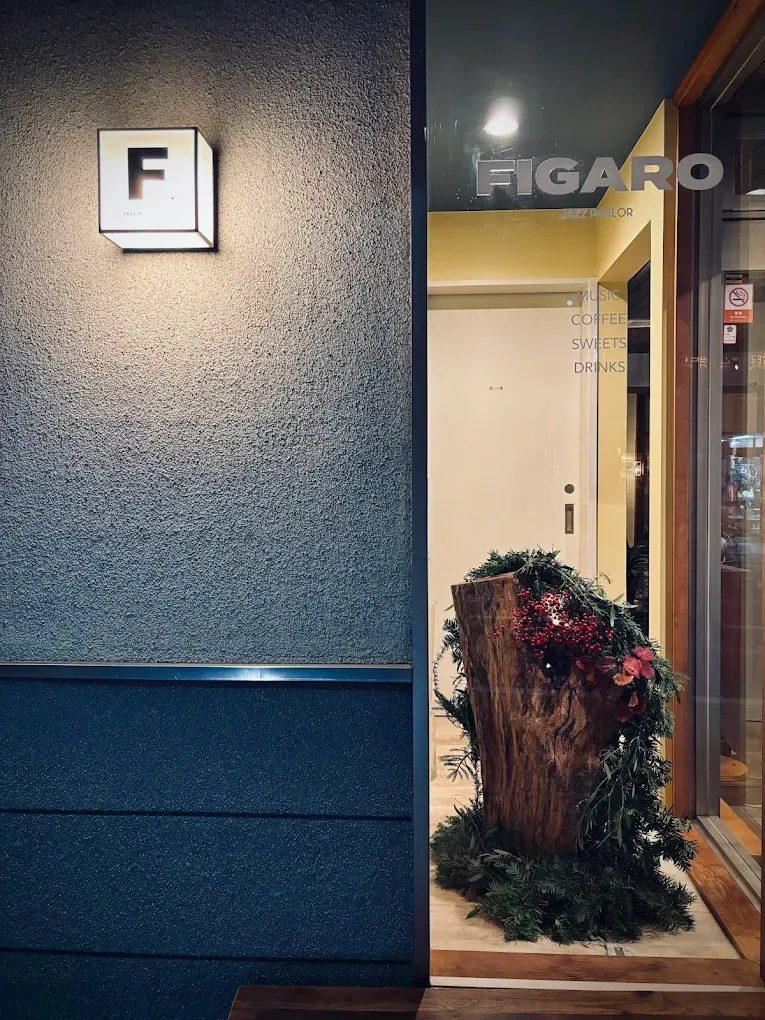
Taiki’s final dining/drinking deep cut takes us to a friend of EXP.’s business, Figaro Jazz Kissa.
Kissa is short for Kissaten. A kissaten is similar, but not quite like a café. Where modern coffee shops are often hyper-polished feats of interior design, kissaten are more endemic.
"A Kissaten is more traditional and nostalgic. While normal cafes are becoming more Westernized, these places have their own unique thing going on. They serve nostalgic drinks like the Cream Soda float - green sparkling soda with a scoop of ice cream.”
Figaro, is ran by Mine-san, an ex-hotelier and jazz enthusiast. He has curated an extensive box of jazz records, and a natural wine list that would make Anders Frederik Steen raise an eyebrow. The menu features tasty snacks and the general vibe is a relaxed, lounge type. We highly recommend dropping by if you’re visiting the area. Tell Mine-san that Taiki sent you!
Fujinomiya, a hidden(?) gem
Fujinomiya rewards its curious visitors. Surface level judgements tell you that it’s a city built around the view of Mt. Fuji, but look even the tiniest bit below the surface and you see why Taiki’s love for it is expressed so openly.
Speak to the people, eat the food, and sit beside the water, and you begin to understand that the mountain is far more than just a view to the city and its residents.
Taiki's passion for his hometown is infectious, and his recommendations paint a picture of a place that is deeply local, quietly proud, and entirely worth exploring. Whether you're here for the shrine, the yakisoba, the sauna, or simply the sight of Fuji-san rising unobstructed against a clear sky Fujinomiya has a way of staying with you long after you leave.
Whether you’re staying in town at SLEEEP Fuji, or taking a little time to yourself at EXP._Atelier, or even just picking up your FUUUN ride don’t hesitate to reach out to us for a few recommendations. Taiki is a wealth of knowledge on the subject matter and would be more than happy to show you what’s what.

