
The Construction Without Men
Delivering Beyond, Part 2 of 3 · Dar es Salaam, Tanzania
We flew a long way to meet one person.
After a long layover in Nairobi, we landed late in the evening in Dar es Salaam, on the coast of Tanzania. It is often mistaken for the capital. It is the country's economic centre, while the political centre sits inland in Dodoma, not unlike Canberra in Australia.
The person was Victoria Marwa Heilman, co-founder and Executive Director of TAWAH: Tanzania Women Architects for Humanity. The organisation was introduced to me two years ago, and its work has intrigued me ever since.
Victoria arrived at our door with her team in a spotless Toyota pick-up, the TAWAH logo neatly applied to its side. Her smile and her presence were crisp and clear: someone genuinely kind, someone you trust.
The drive took more than two hours, so we had time to learn about each other's lives and work. Victoria had wanted to become a doctor. Her uncle persuaded her to study architecture instead, at a time when very few women did. It is still rare. In Tanzania, only about one in ten registered engineers is a woman. She went on to earn her doctorate in Stuttgart and to teach architecture at university. Victoria is no ordinary architect.
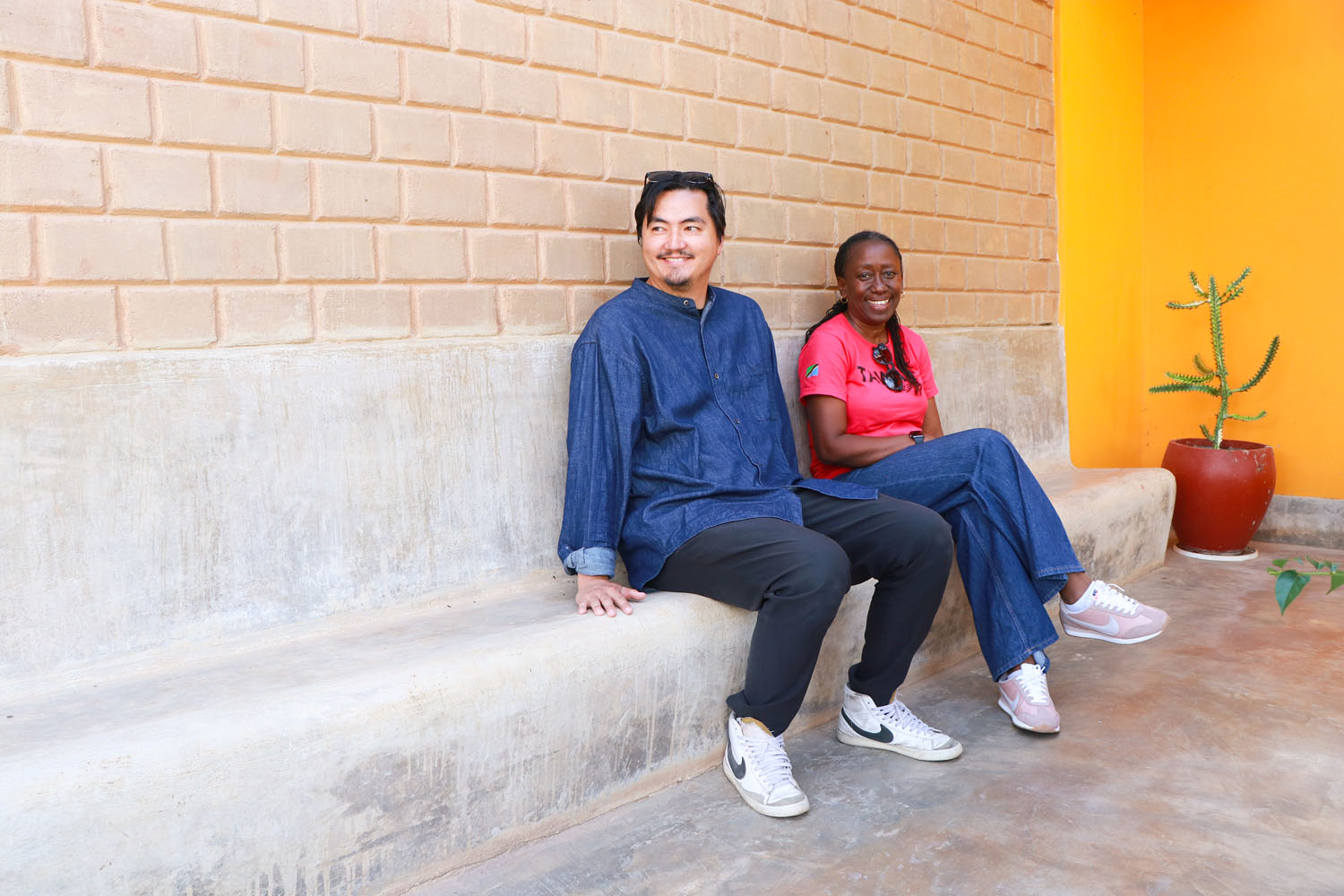
Photo: Said
Then we reached the TAWAH campus, where an architect's dream is being built, and where the dreams of the women who live and work there are growing like the trees they have planted.
Lunch was ugali na mboga, ugali with vegetables, cooked by the women on site. The kitchen was clean and organised, its cupboards made from repurposed metal sheets. Even the cupboards showed precision, attention and care.
Victoria walked us through the campus: classrooms, offices, dormitories. I couldn't help thinking that with this much land and this much already built, the place could serve many more people, remote as it is. Victoria was ahead of me. She shared her plan to add dormitories and enlarge each cohort, so that more women in dire economic situations can benefit.
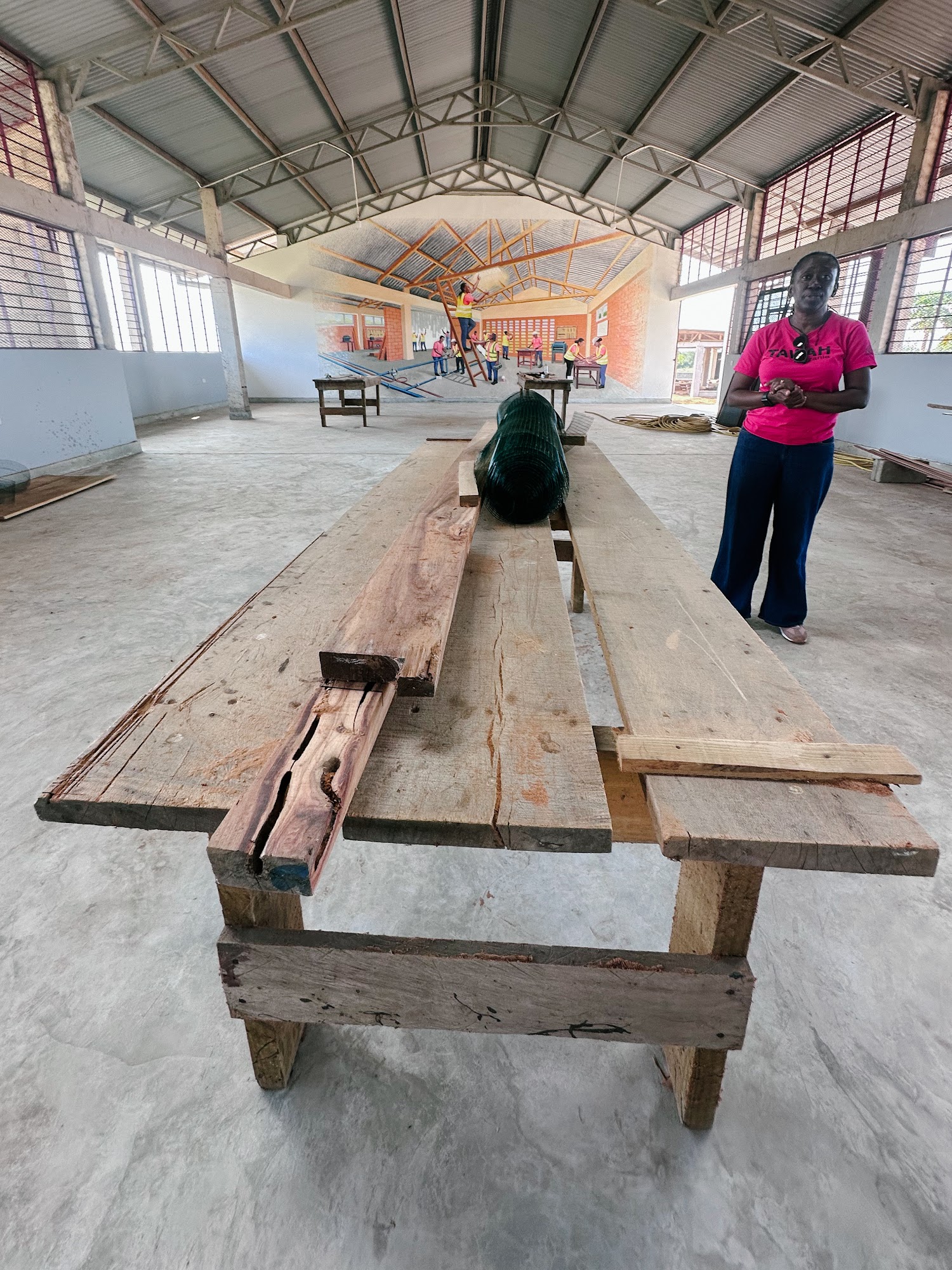
At the far end of the plot, a house was going up. On the construction site, there was not a single man.
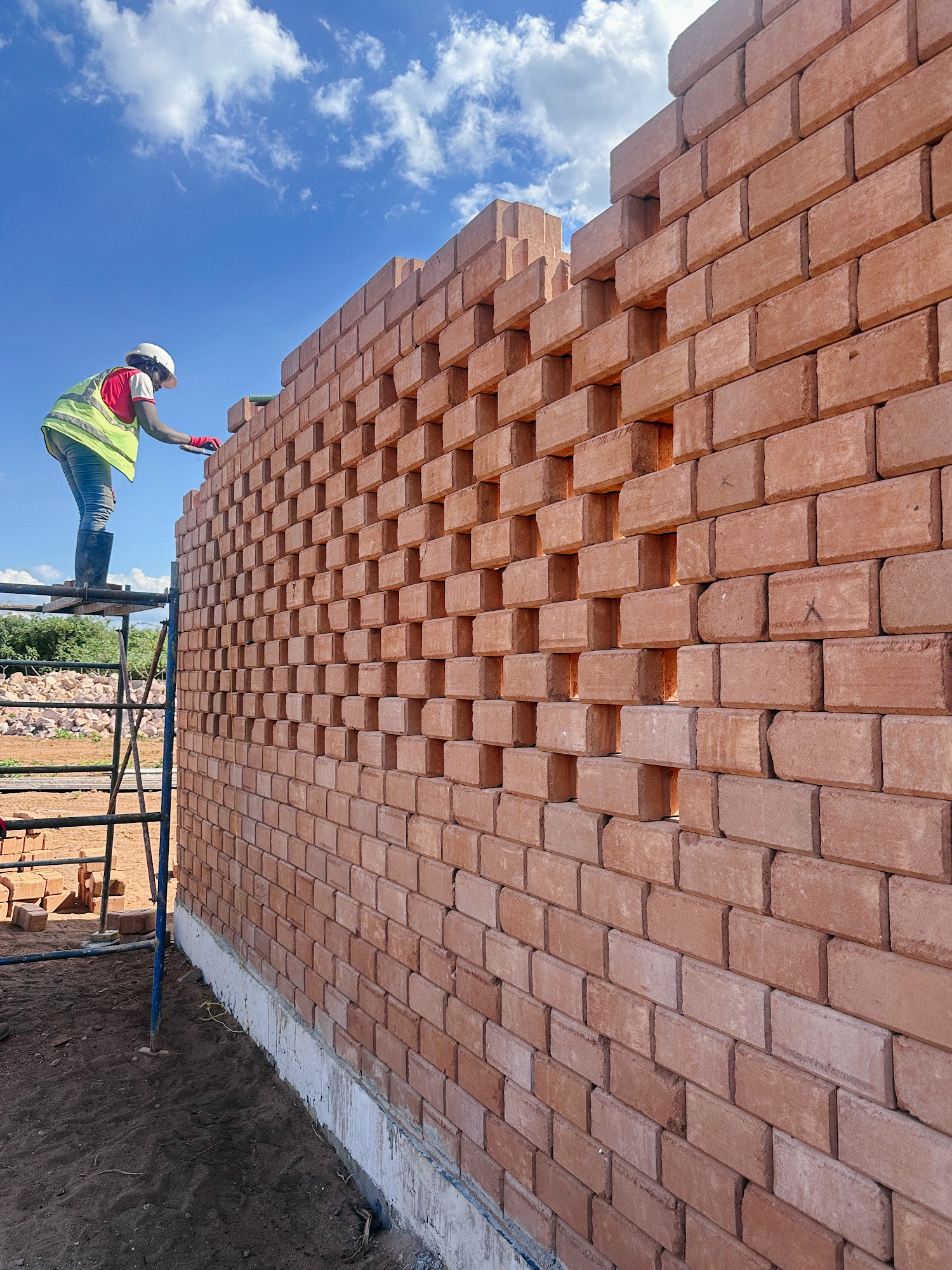
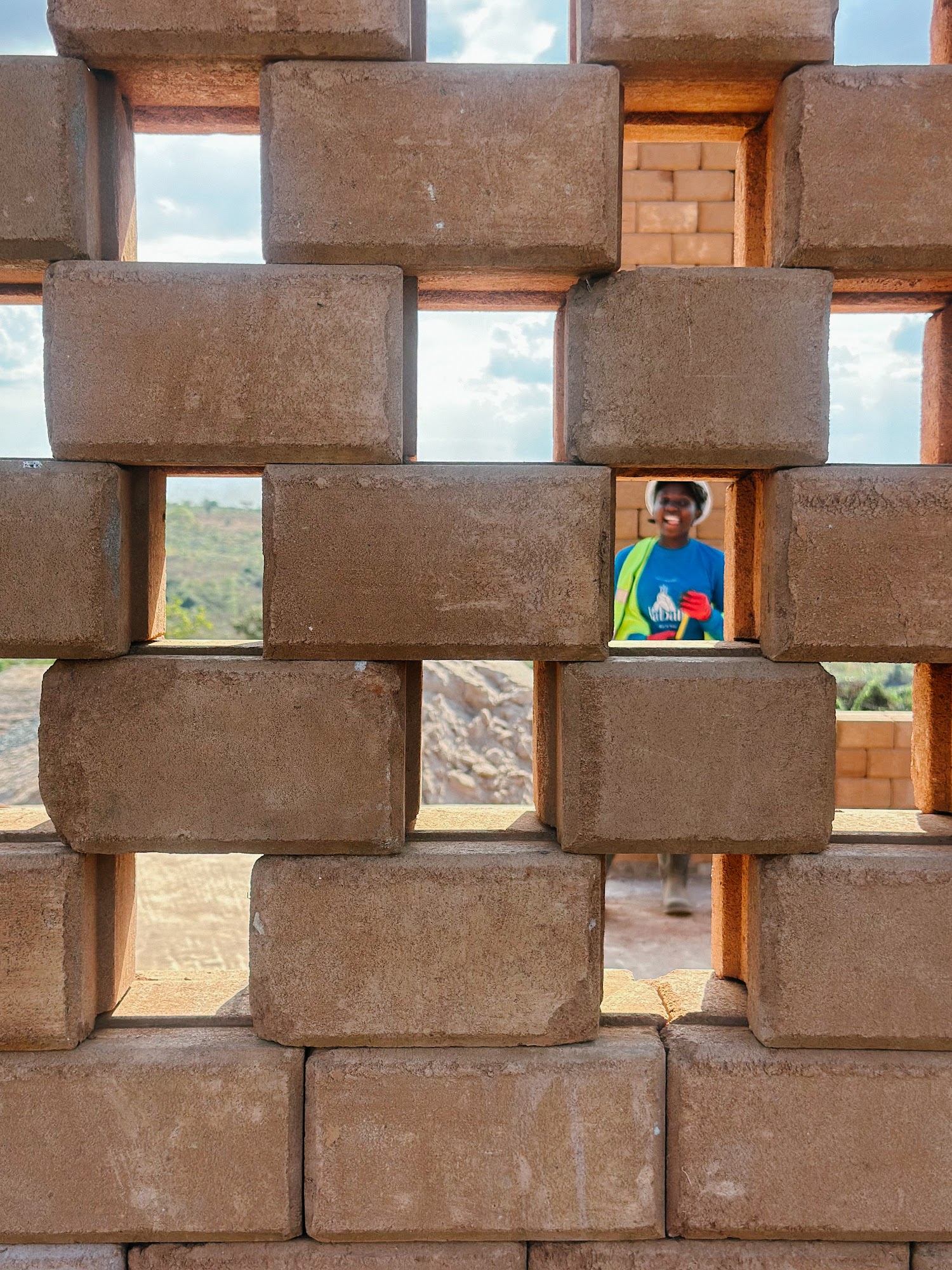
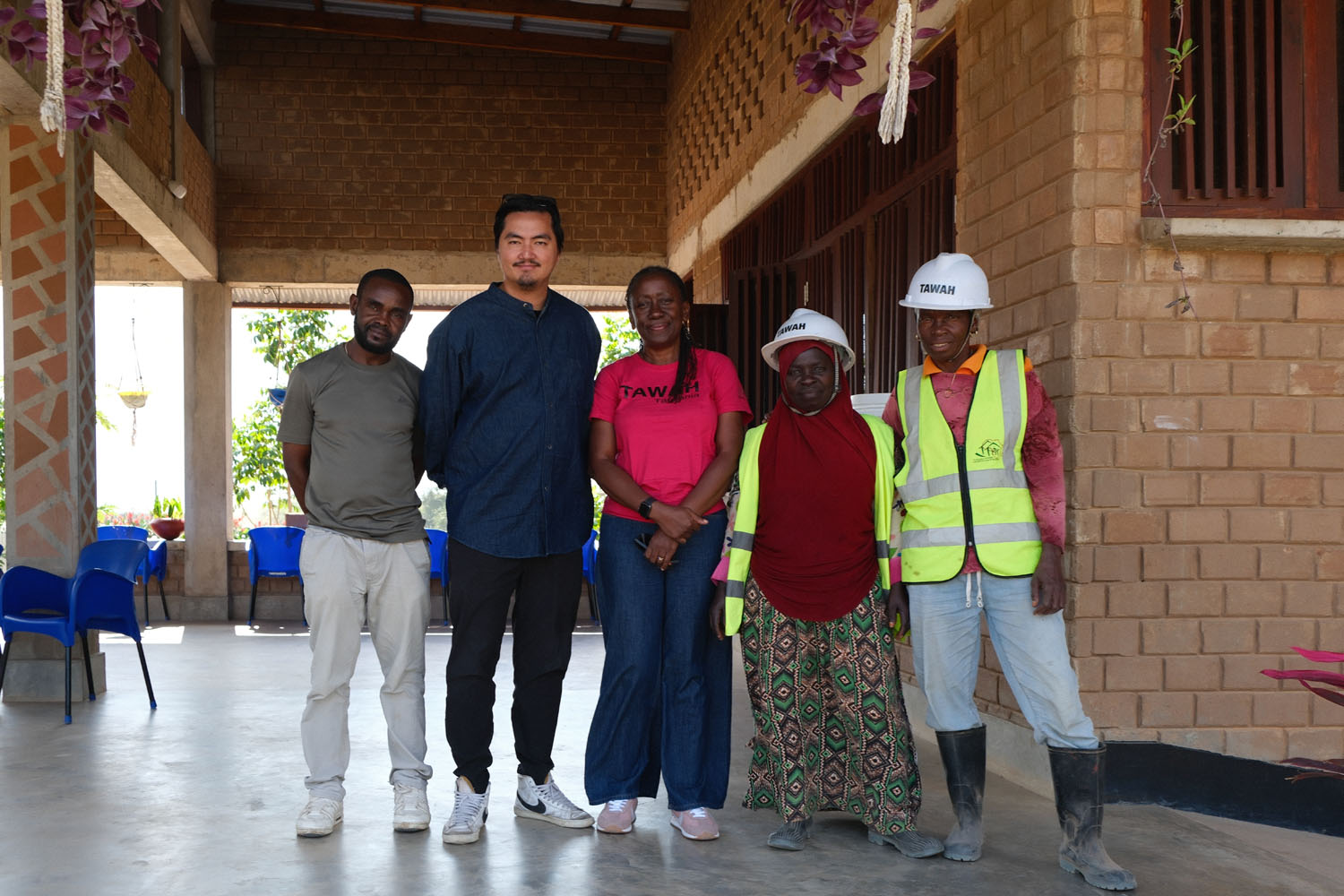
The crew were TAWAH graduates, now hired to build around the region. You could see it in their faces. They were proud of the work, and they were enjoying it.

They build with bricks pressed from the earth of the site itself. The bricks are pinkish and earth-toned, in several shapes and sizes, and they interlock. Victoria told me the mould was designed by university professors decades ago. The double-interlocking soil block now used across East Africa was developed in the 1990s by Moses Kizza Musaazi, an engineer at Makerere University in Uganda. It is engineering that changes these women's lives very directly.
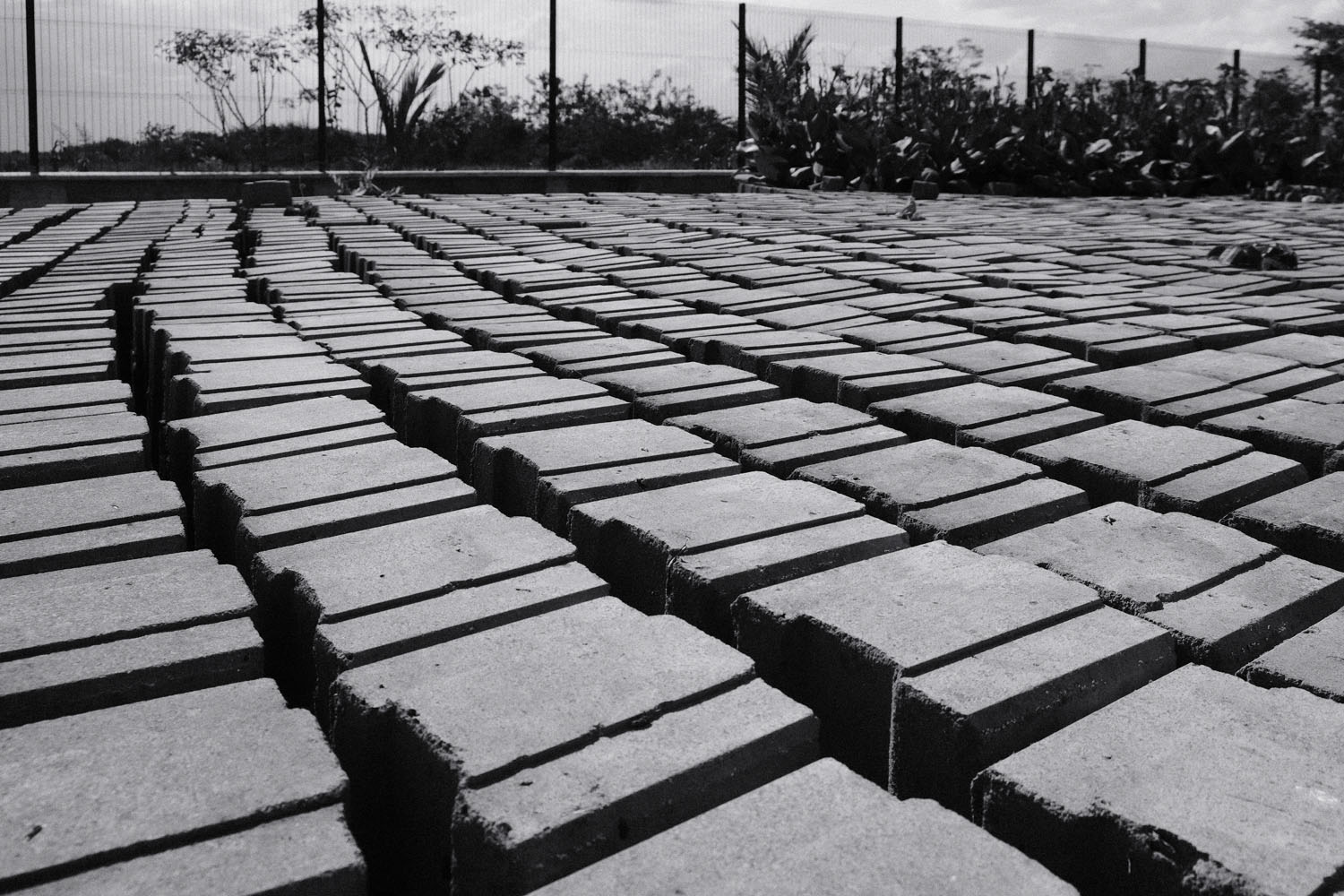
Photo: Janis
One question came to me: if these bricks are this good and this economical, there should be a market for them.
From that point on, Victoria and I were brainstorming how to scale up brick production until it pays for all of TAWAH's operations. I believe good work only becomes truly impactful when it can sustain itself.
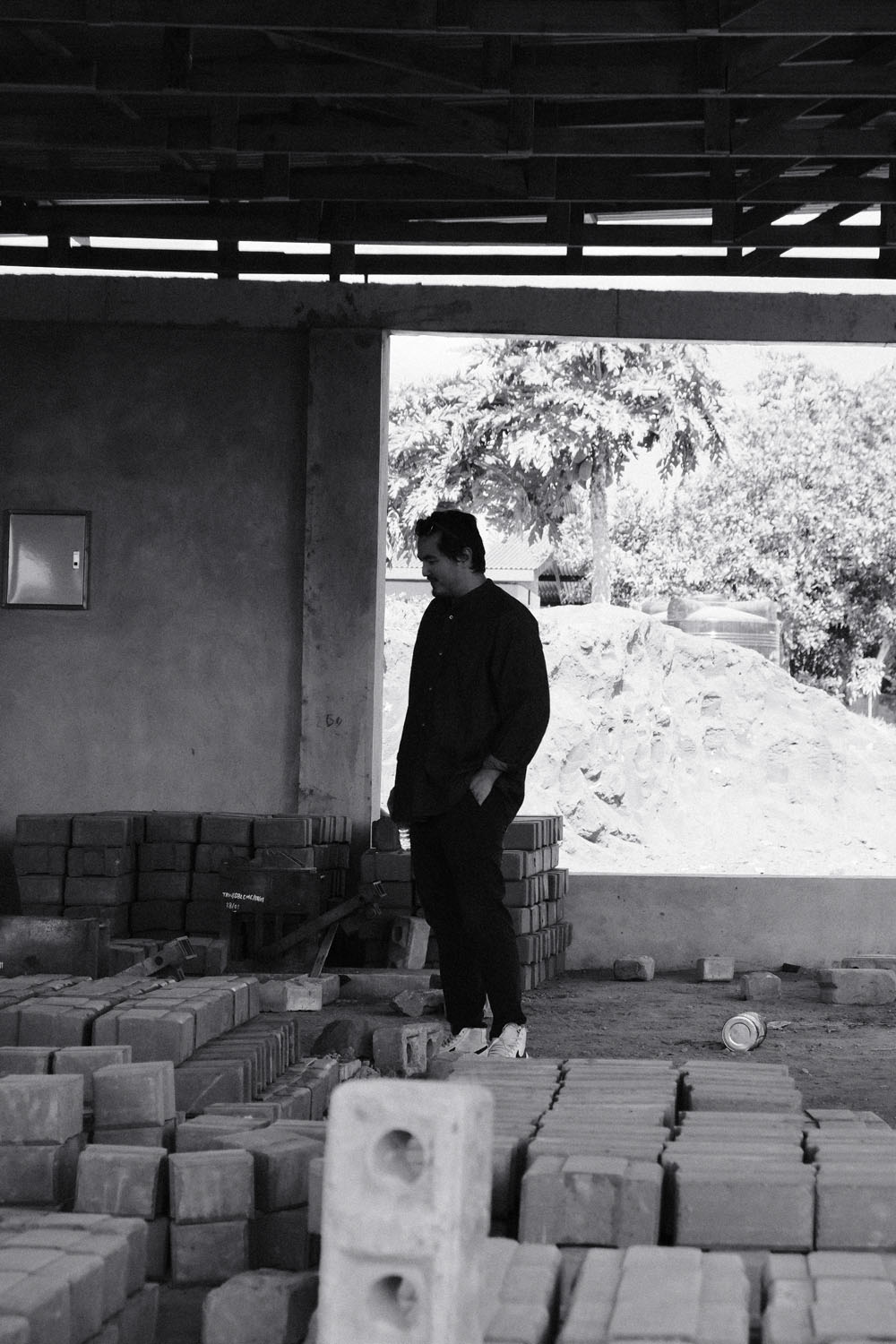
The process is hard. The press is worked by hand. It has to be weighed down, either bolted into a concrete floor or tied to very large, heavy pieces of wood. The lever arm swings so wide that one person cannot work it alone. Each brick is lifted out by hand and lined up on pallets to dry, which strains the back. Drying takes more than twenty days. One machine, worked almost non-stop, makes about 3,000 bricks in twenty to thirty days. Labour is not expensive, but the output is still too low.
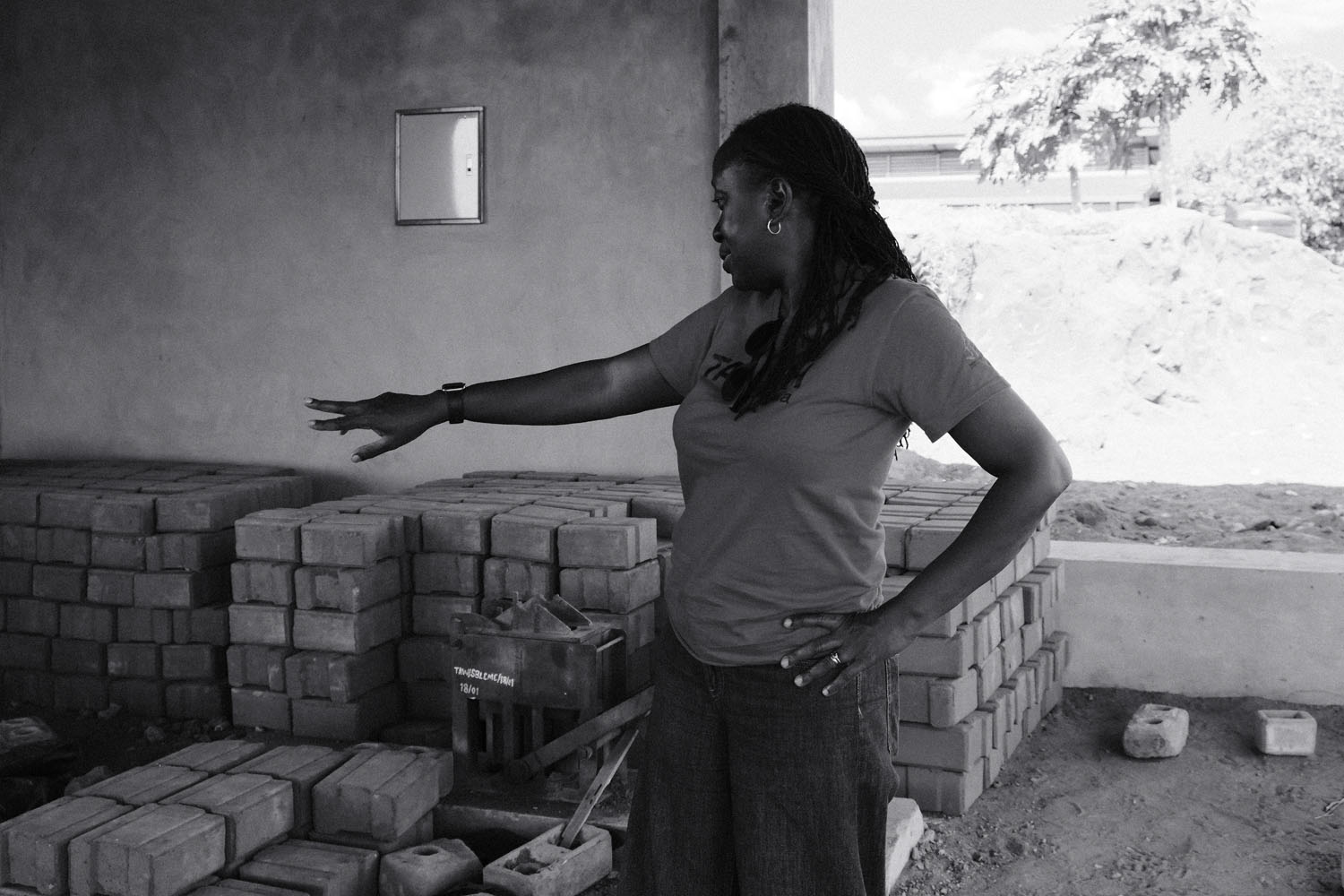

Photo: Janis
So I asked: couldn't a machine do this? Back home, I looked it up. Motorised presses for interlocking soil blocks already exist, and one manufacturer claims 1,300 blocks a day. Whether such a machine fits TAWAH's brick, budget and site, I don't know yet. It is a possible solution. It is not one yet.
The road home was even bumpier, and longer, with weekend traffic. It was dark by the time we got back. Gody, my old friend from Arusha, said to me: “Victoria is a truly great woman. The way she speaks to her students, staff and site workers is very respectful, and everyone respects her back.”
A Tanzanian woman architect, living a life that celebrates humanity.
Next, in Part 3: Friendship Without Walls, from Arusha, Tanzania.
Sources
- Victoria Marwa Heilman, Segal Family Foundation
- Tanzania: Dr. Victoria Marwa Heilman, Women Architects Worldwide, University of Minnesota Libraries
- Women engineers urged to maintain integrity, Africa Press (Engineers Registration Board figures)
- Interlocking Stabilized Soil Blocks, Cooper Hewitt, Smithsonian Design Museum
- Haileybury Youth Trust on Dr Moses Musaazi and ISSB
- Use of Interlocking Stabilized Soil Blocks, UNHCR Geneva Technical Hub

